
In the evolving world of B2B marketing, lead generation is no longer just about collecting email addresses or running cold campaigns. It’s about reaching the right prospect, at the right time, with the right message. This is where intent data is changing the game—and challenging the effectiveness of traditional lead generation strategies.
So, how does intent data vs lead generation stack up in terms of performance, cost-effectiveness, and long-term value? Let’s break it down.
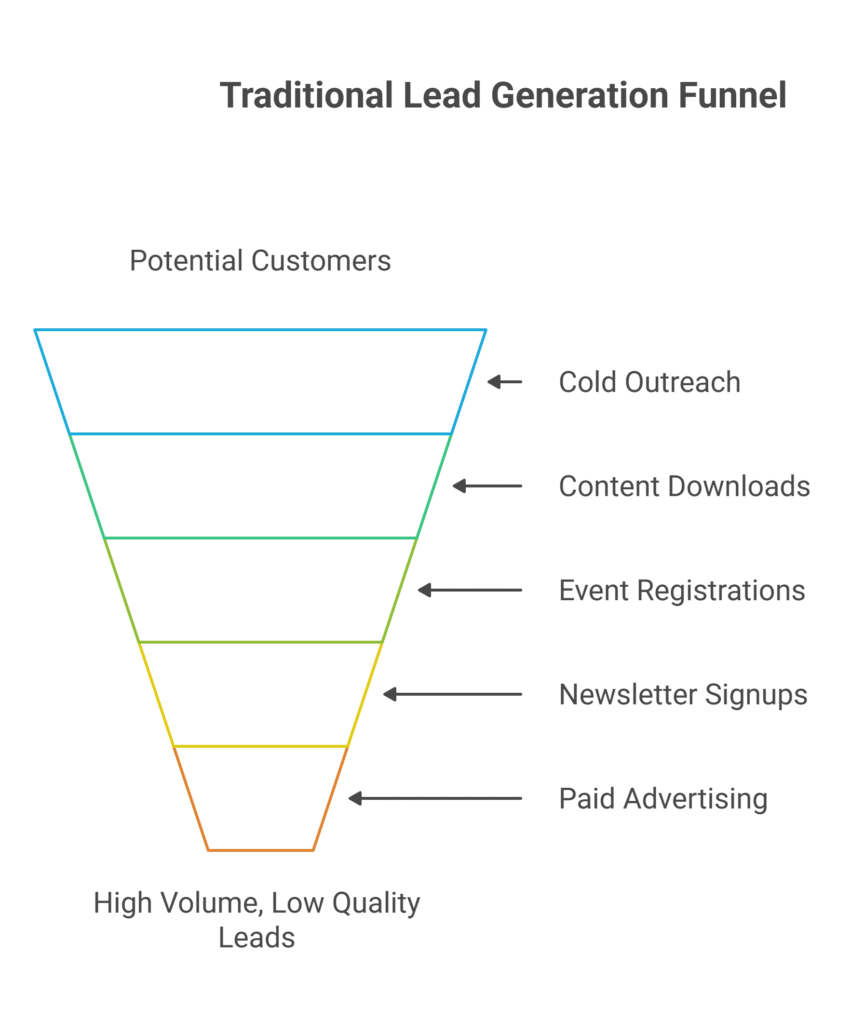
Traditional lead generation is the process of identifying potential customers through channels like:
The core assumption? If someone fills out a form or responds to an outreach, they might be interested in your product.
But here’s the catch: Just because someone downloaded a resource doesn’t mean they’re ready to buy. Traditional lead generation often generates a high volume of contacts—but not necessarily quality leads with buying intent.
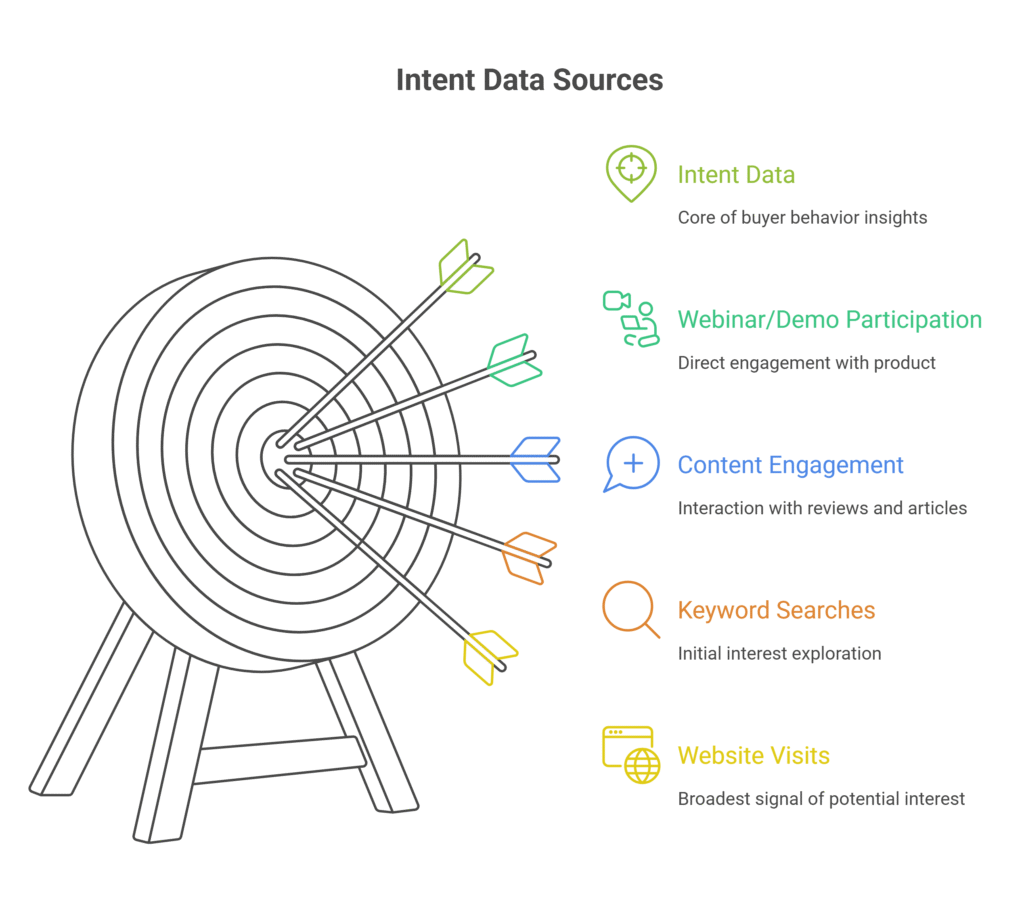
Intent data refers to behavioral signals gathered from users’ online activities that indicate their potential interest in a specific product or service. This could include:
There are two types of B2B intent data:
Let’s look at a B2B intent data comparison with traditional lead generation methods through several lenses:
Traditional: Relies heavily on manual segmentation or surface-level actions.
Intent Data: Identifies in-market buyers by analyzing signals like product research, solution comparisons, or pricing queries.
A study found that companies using intent data saw a 4x increase in lead-to-opportunity conversion rates.
Traditional: Campaigns take time to build and nurture. Sales cycles are longer.
Intent-based marketing: Offers real-time insights, helping sales teams reach out when buyer interest is high.
It is said that, organizations using intent data are 56% more likely to contact prospects in their decision-making window.
When it comes to ROI, intent-based marketing ROI is proving stronger, especially for B2B companies with longer sales cycles.
| Metric | Traditional Lead Gen | Intent-Based Marketing |
| Cost per MQL | Lower | Slightly Higher |
| Lead Qualification Rate | ~25% | ~60% |
| Conversion to Opportunity | 10-15% | 30-40% |
| Customer Acquisition Cost | Higher | Lower over time |
While traditional methods may seem cheaper upfront, intent data saves time and cost by reducing unqualified leads and improving sales efficiency.
(Statistics are taken from multiple resources and are approximate)
Still unsure about shifting to intent data? Consider these benchmarks:
Scenario: A cybersecurity SaaS company runs a whitepaper campaign and captures 2,000 leads.
Traditional route: The sales team cold calls or emails each lead—only 5% respond.
With intent data: They enrich those 2,000 leads with third-party intent signals. 300 are actively researching “cloud security solutions”—those leads get prioritized.
This hybrid approach led to 3x higher conversion rates for the same campaign.
| Feature | Traditional Lead Gen | Intent Data |
| Lead Source | Form fills, ads, events | Behavioral signals, search data |
| Lead Intent Clarity | Low | High |
| Cost Efficiency | Medium upfront, high CAC | Higher upfront, lower CAC |
| Sales Engagement Timing | Reactive | Proactive and real-time |
| Best Use Case | Brand awareness | Purchase-ready engagement |
The B2B marketing landscape is shifting. Buyers are more informed, more private, and more impatient. Traditional methods still hold value, but in a world of signal overload, intent data adds clarity, speed, and strategic focus.
If you’re still relying solely on cold outreach or form fills, you’re likely leaving revenue on the table. Investing in intent-based strategies isn’t just about being trendy—it’s about being timely.
If your goal is to shorten sales cycles, improve lead quality, and increase ROI, intent data is a powerful addition to your B2B marketing toolkit. It doesn’t replace traditional lead generation—but it supercharges it.