In the world of enterprise sales, traditional lead generation strategies often fall short. Broad marketing campaigns may generate thousands of leads, but how many are truly relevant for high-value, complex B2B deals?
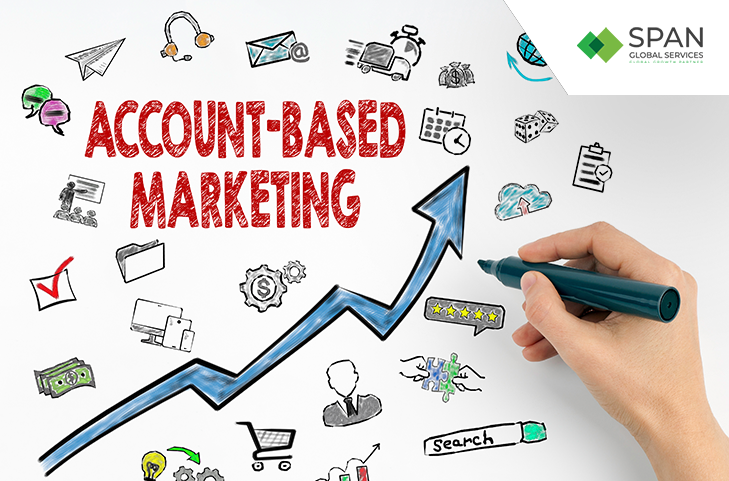
That’s where Account-Based Marketing (ABM) comes into play.
ABM flips the traditional marketing funnel. Instead of casting a wide net, you identify key accounts first, then tailor marketing and sales efforts to engage them directly. For companies targeting large enterprises or long sales cycles, account-based marketing isn’t just a strategy—it’s a necessity.
This guide breaks down everything you need to know about ABM for enterprise sales—from the core concepts to the ABM implementation framework, and how to build a successful enterprise ABM strategy that drives results.
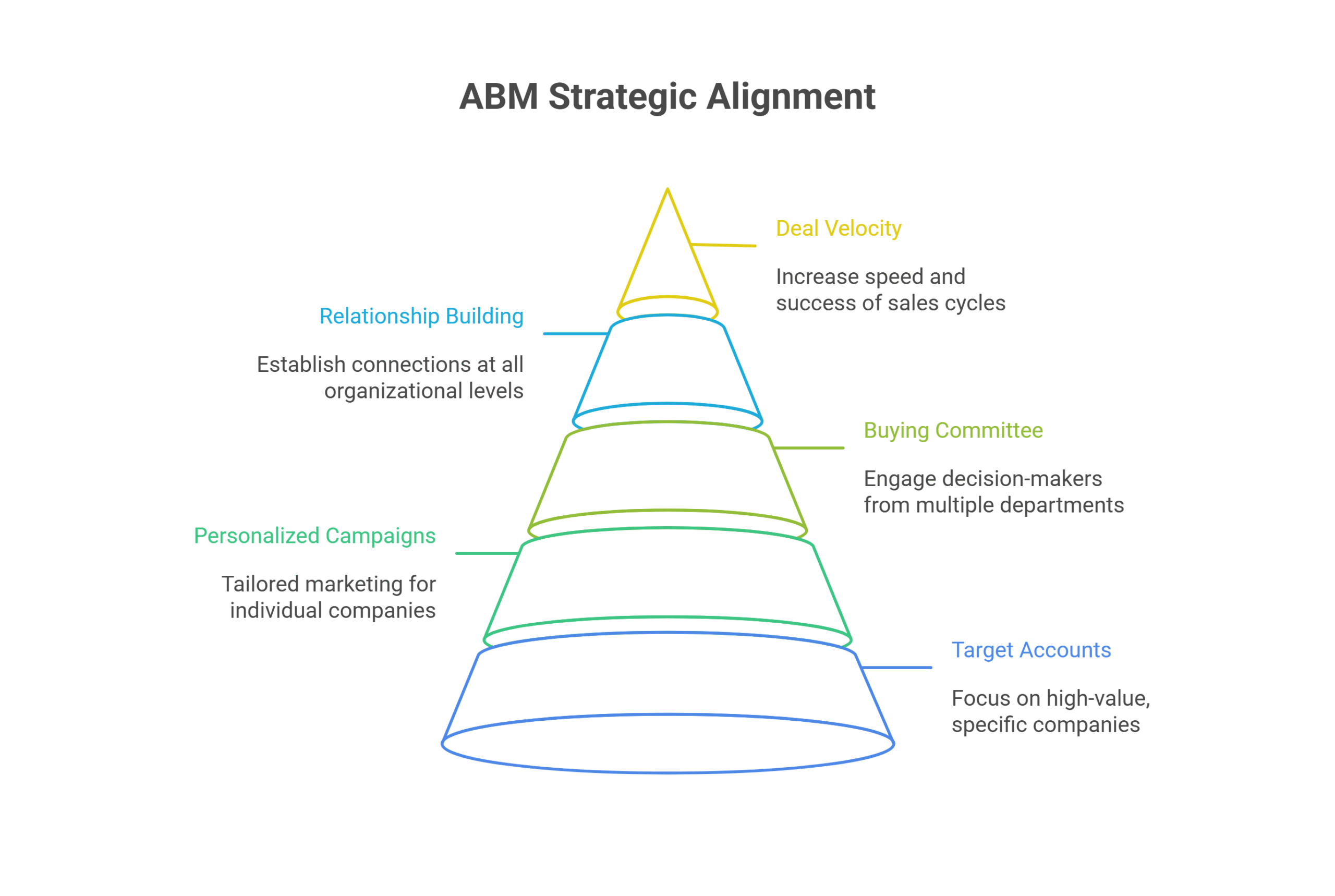
At its core, account-based marketing is a strategic approach that aligns marketing and sales teams to focus on high-value target accounts with personalized campaigns. Unlike traditional B2B marketing, ABM zeroes in on specific companies—treating each as a “market of one.”
Instead of marketing to a generic persona, you’re marketing to a buying committee within a specific organization—often involving decision-makers from multiple departments.
For enterprise sales ABM, this level of precision is vital. These deals often involve lengthy sales cycles, multiple stakeholders, and large budgets. ABM allows you to build relationships at every level of the organization, increasing deal velocity and conversion rates.
Enterprise sales involves complexity: custom solutions, long negotiation cycles, multiple layers of approval, and high expectations from clients. Here’s why B2B account-based marketing is the ideal fit for this environment:
Enterprise deals are high-stakes. ABM helps prioritize marketing resources toward accounts with the highest revenue potential, ensuring no effort is wasted.
ABM enables hyper-personalized content and outreach—tailored not just to the company but to individual roles within the organization.
A successful ABM strategy requires close collaboration between sales and marketing, improving communication, lead quality, and deal handoff processes.
Because ABM focuses on high-potential accounts, marketing ROI tends to be higher. According to ITSMA, 87% of marketers say ABM outperforms other marketing investments.
An effective enterprise ABM strategy involves more than just creating a list of target accounts. It requires coordination, data, personalization, and clear metrics. Here’s how to build one:
Start by creating an Ideal Customer Profile (ICP) based on firmographics (industry, size, location), technographics, intent data, and historical success. Use tools like LinkedIn Sales Navigator, LakeB2B, or 6sense to surface the right prospects.
For enterprise sales, focus on:
ABM thrives on alignment. Bring together:
In enterprise deals, decisions aren’t made by one person. You may be dealing with 5–10 stakeholders across departments like IT, procurement, finance, and operations.
Use org charts, CRM data, and sales insights to map out who’s who in each account, their roles, and priorities.
This is where B2B account-based marketing shines. Create campaigns customized to:
Examples like:
Enterprise buyers are busy. Your message needs to be visible across channels:
Use intent data and engagement signals to time your outreach effectively.
A solid ABM implementation framework involves using the right tools:
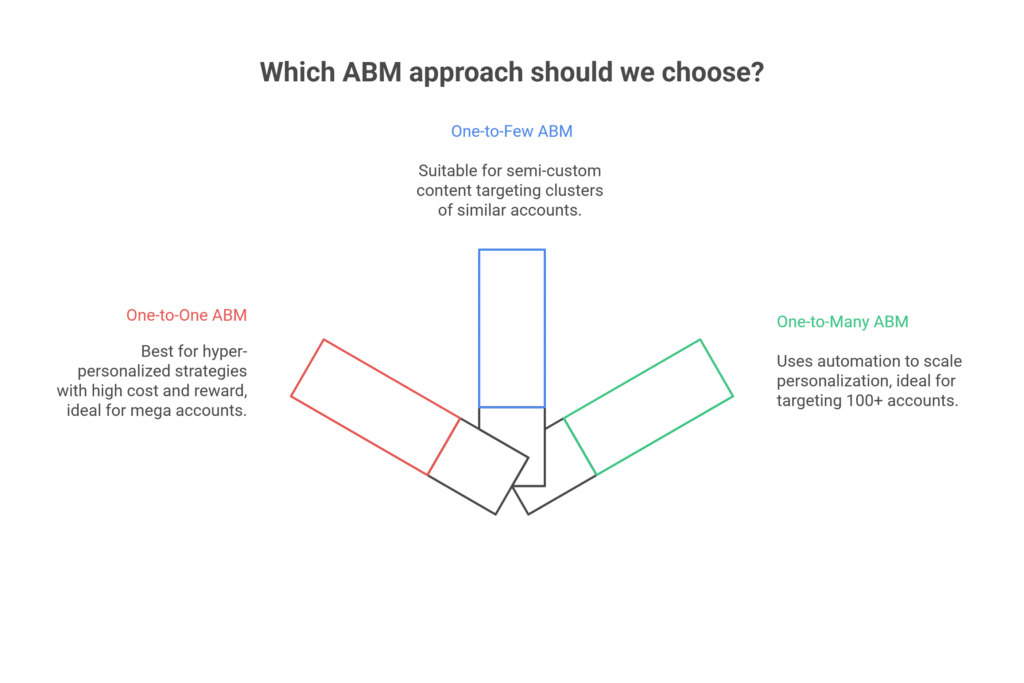
There’s no one-size-fits-all approach. Depending on resources and goals, you can choose from:
For enterprise sales ABM, a combination of one-to-one and one-to-few often yields the best results.
While ABM delivers significant ROI, it’s not without hurdles:
Solution: Set shared goals and conduct regular joint planning meetings.
Solution: Invest in data enrichment tools and maintain clean CRM hygiene.
Solution: Define clear KPIs aligned to the sales cycle and use ABM dashboards to visualize progress.
If you’re selling high-ticket B2B solutions, engaging with multiple stakeholders, or targeting Fortune 1000 clients, account-based marketing is not optional—it’s essential.
ABM is more than a marketing tactic—it’s a go-to-market philosophy that aligns every customer-facing function around the accounts that matter most. It may take more effort upfront, but the long-term payoff in terms of deal size, conversion rate, and customer lifetime value is undeniable.
Start small if needed. Choose 5–10 high-value accounts, build a pilot program, test content and outreach, and refine. The more tightly your teams collaborate, the more powerful your enterprise ABM strategy becomes.